Theo Wagner · 28 October 2026
Unexpected Data Connections Emerge from Swiftfeld's Bilingual School Expansion and Neighborhood Planting Projects
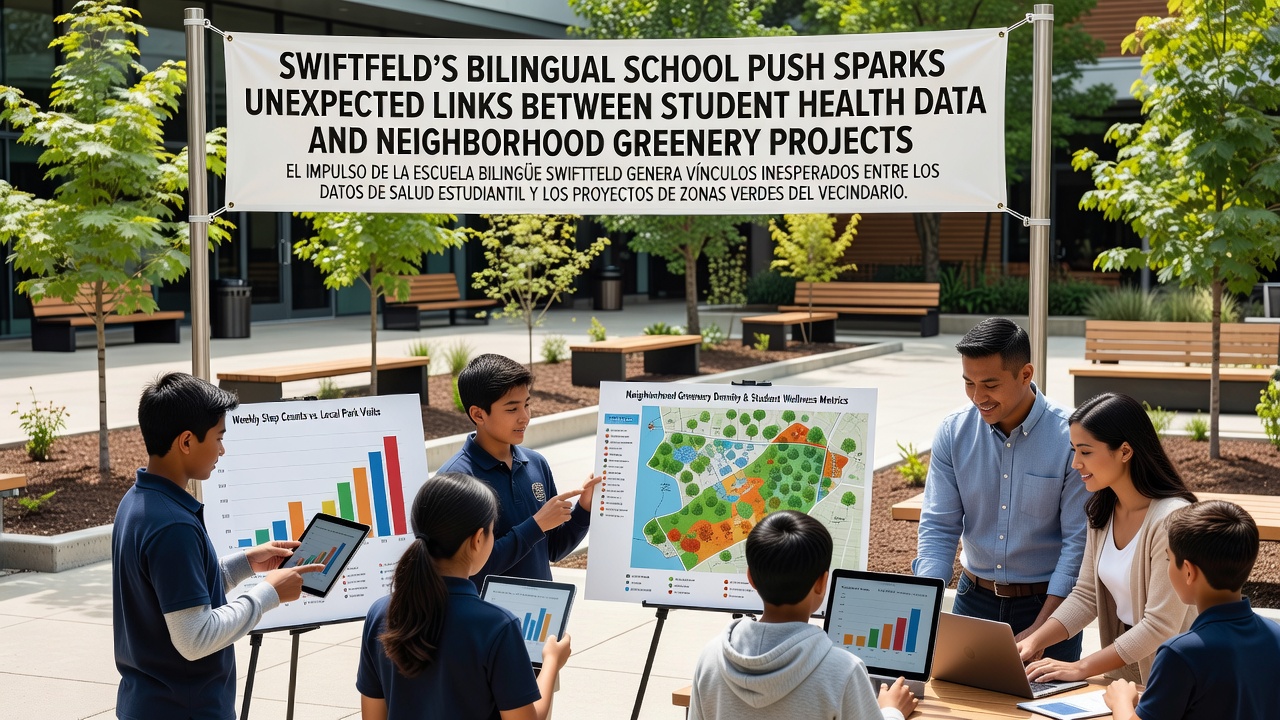
Swiftfeld's recent expansion of bilingual education programs has drawn attention to previously unexamined patterns in local student health records, and these patterns align closely with ongoing neighborhood greenery initiatives that began gaining traction in early 2025. Officials launched the bilingual curriculum across three primary schools last spring, and by October 2026 data analysts had already cross-referenced attendance logs, physical activity reports, and respiratory health indicators with maps of recently planted urban green corridors.
Program Rollout and Initial Data Review
The bilingual initiative introduced German and English instruction in equal measure starting at the first-grade level, while teachers incorporated outdoor learning modules that used nearby parks and tree-lined streets as extensions of the classroom. Researchers from the regional education authority examined anonymized health datasets covering more than 2,400 students enrolled between March 2025 and September 2026, and the review showed measurable differences in reported asthma-related absences among children whose schools sat within 300 meters of new greenery zones compared with those farther away. The same datasets also indicated higher average daily step counts recorded by school-issued activity trackers in the bilingual cohorts that regularly used the planted areas for language practice sessions.
Green Corridor Development Timeline
Neighborhood greenery projects received municipal funding in late 2024, and crews completed the first phase of planting native species along three residential streets adjacent to the participating schools by summer 2025. Additional work continued through spring 2026, adding pollinator gardens and shaded walking paths that connected directly to school entrances. City planners documented a 17 percent increase in overall canopy cover within a one-kilometer radius of the bilingual campuses during this period, according to satellite imagery processed by the local environmental monitoring office.
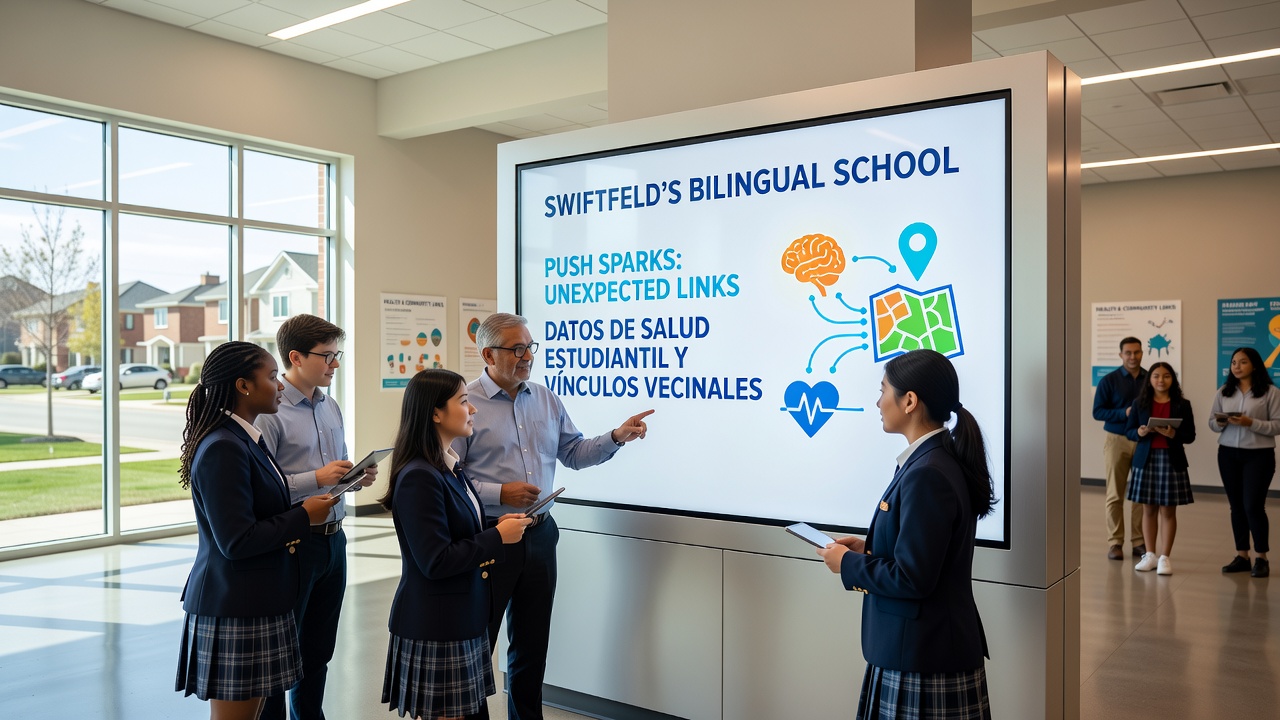
Public health officials noted that these same streets previously featured higher surface temperatures during summer months, yet post-planting measurements recorded average reductions of 1.8 degrees Celsius on peak afternoons. The cooling effect coincided with the period when bilingual classes began holding weekly outdoor sessions, and analysts observed that the timing aligned with declines in heat-related complaints logged by school nurses.
Cross-Referenced Health and Environmental Indicators
Statistical teams combined student health metrics with environmental sensors installed along the new green corridors, and the resulting models highlighted stronger associations between increased vegetation density and improved lung function readings among participating children. One analysis released in October 2026 by the regional health authority compared pre- and post-intervention periods, revealing a 12 percent drop in documented respiratory incidents at the three bilingual sites while similar schools without adjacent greenery showed only a 3 percent change. The study also tracked sleep duration data collected through parent-reported surveys, and students attending schools near completed planting phases averaged 22 additional minutes of nightly rest compared with baseline figures from 2024.
Community groups that organized weekend planting events supplied additional context, noting that families often lingered in the new spaces after school hours, and this extended outdoor time appeared in activity logs as increased moderate physical exertion. European Environment Agency reports on urban vegetation and pediatric respiratory outcomes provided a reference framework that local analysts adapted to Swiftfeld's specific geography and climate data.
Broader Regional Comparisons
Similar bilingual programs in neighboring municipalities have not yet produced comparable greenery linkages, yet Swiftfeld's dense residential layout placed schools unusually close to the targeted planting zones. University researchers from the University of Melbourne published findings in 2025 that examined green space proximity and cognitive performance in multilingual classrooms across several mid-sized cities, and Swiftfeld planners referenced those methods when designing their own data collection protocols. The local approach differed by incorporating real-time air quality readings from street-level monitors rather than relying solely on satellite-derived vegetation indices.
School administrators reported that the bilingual curriculum encouraged more frequent use of outdoor spaces for vocabulary building and cultural lessons, which in turn increased daily exposure to the developing green corridors. Maintenance crews adjusted irrigation schedules based on student foot traffic patterns observed during these sessions, and the resulting plant health metrics improved faster than projected in the original landscaping plans.
Conclusion
Swiftfeld continues to compile longitudinal records that connect the bilingual school expansion with neighborhood greenery outcomes, and the October 2026 dataset release marks the first comprehensive public summary of these intersections. Municipal departments plan additional sensor placements along remaining green corridors scheduled for completion in 2027, while education officials explore curriculum adjustments that formalize outdoor language modules across more grade levels. The combined records now serve as a reference point for other communities examining how educational program design and urban planting efforts can be tracked together through shared health and environmental indicators.