Alex Krüger · 16 September 2026
Drought Effects on Local Agriculture Inspire Digital Innovations in Swiftfeld Heritage Restoration
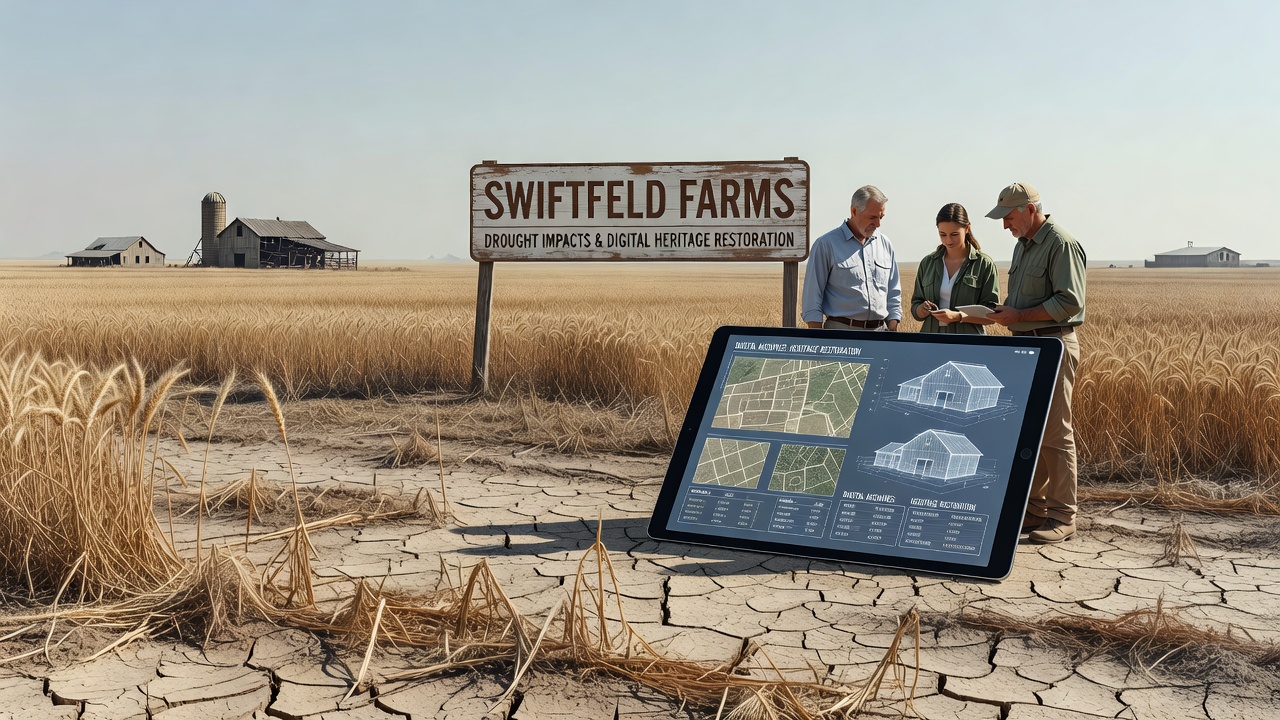
Extended dry spells across the Swiftfeld region have altered traditional farming practices while prompting agricultural communities to turn toward digital archive technologies for preserving cultural heritage sites tied to rural history, and researchers have documented these shifts through ongoing monitoring programs that began intensifying in early 2025.
Data collected by regional agricultural departments show reduced crop yields on multiple Swiftfeld farms during the 2024-2025 season, with water availability dropping below historical averages in several key districts, and this environmental pressure has encouraged farm operators to collaborate with heritage organizations that maintain extensive digital records of local architecture, irrigation systems, and land use patterns dating back centuries.
Regional Drought Patterns and Agricultural Adjustments
Climate records maintained by European meteorological services indicate that Swiftfeld experienced below-average precipitation levels for three consecutive years leading into 2026, and farmers responded by implementing precision irrigation techniques drawn from archived historical documents that detail adaptive water management strategies used during earlier dry periods in the 19th and 20th centuries.
Studies conducted through partnerships between local universities and the European Environment Agency reveal that soil moisture depletion affected root crops and grain production most severely, while livestock operations faced increased feed costs, and these economic factors led several farm families to explore revenue streams connected to heritage tourism projects that rely on digitized photographic collections and oral history transcripts.
Integration of Digital Archives in Restoration Efforts
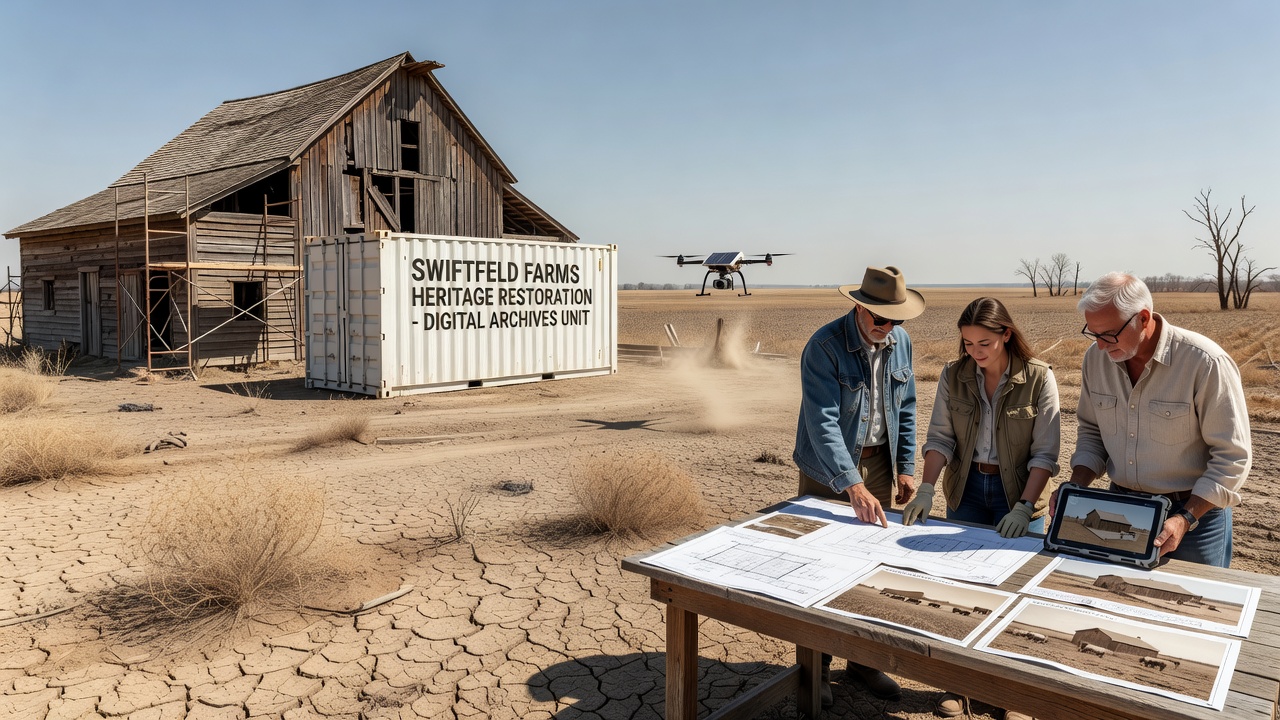
Heritage restoration teams working in Swiftfeld have accessed online repositories containing high-resolution scans of original farmstead blueprints, land grant documents, and period-specific construction techniques, and this access has allowed them to replicate authentic materials and methods when repairing structures damaged by shifting ground conditions associated with prolonged drought.
One project completed in late 2025 involved restoring a 17th-century water mill using digital models derived from archives held by the German Federal Archives, and project coordinators reported that cross-referencing these records with satellite imagery helped identify original foundation alignments that had become obscured by erosion.
Case Examples from Swiftfeld Operations
Operators at several mid-sized farms near the town center combined drought monitoring data with digitized agricultural ledgers from the 1930s to redesign field boundaries, and the resulting layouts incorporated buffer zones that protect both remaining topsoil and adjacent historical stone walls listed on regional heritage registers.
Another initiative launched in September 2026 brought together agronomists and digital archivists to create interactive maps showing how past drought events correlated with changes in farmstead architecture, and these maps now serve as planning tools for both current water conservation measures and future restoration priorities.
Technological Tools Supporting the Transition
Software platforms developed by research institutions in Canada and Australia have been adapted for use in Swiftfeld, and these tools enable overlay analysis of historical maps with current satellite-derived drought indices, while community groups have begun training sessions to build local capacity for managing such combined datasets.
Funding for these technology adoptions has come partly through programs administered by the European Union cultural heritage initiatives, which prioritize projects that link environmental adaptation with preservation of tangible and intangible rural heritage, and early results indicate improved coordination between farm management decisions and heritage site maintenance schedules.
Broader Implications for Similar Regions
Observations compiled by the United States Geological Survey on comparable drought-affected agricultural zones suggest that Swiftfeld's approach of merging digital archives with on-farm adaptation strategies could offer transferable methods, and reports from those studies highlight the value of maintaining accessible historical records that document previous responses to water scarcity.
Local Swiftfeld authorities have scheduled additional workshops for September 2026 to share findings from the ongoing integration efforts, adn participants will include representatives from neighboring districts facing similar climatic pressures.
Conclusion
Swiftfeld's experience demonstrates measurable connections between agricultural drought responses and the expanded application of digital heritage resources, with documented projects showing how archived materials inform both practical farm adjustments and physical restoration work, and continued monitoring will track long-term outcomes across the coming seasons.